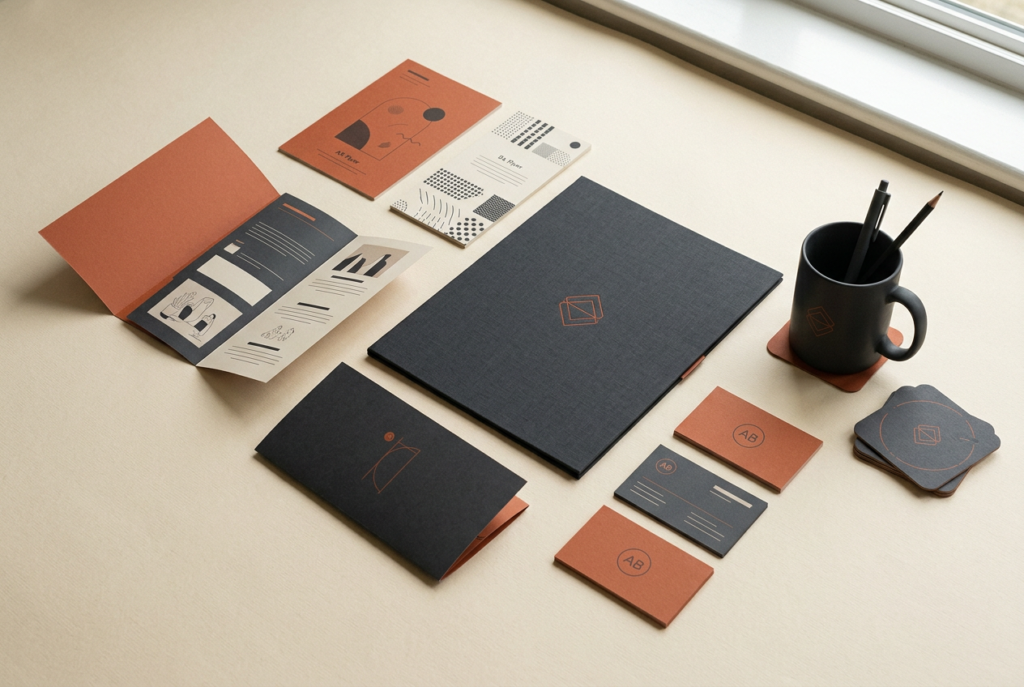
Marketing is more than running ads or posting on social media.
Every interaction a customer has with your business contributes to their perception of your brand. From the moment they discover your company to the moment they make a purchase, marketing materials help communicate professionalism, build trust, and support sales.
Unfortunately, many businesses overlook important marketing assets that could improve visibility, generate leads, and strengthen customer relationships.
Whether you’re launching a new business or looking to improve your current marketing efforts, having the right materials in place can make a significant difference.
In this guide, we’ll explore 25 essential marketing materials every small business should consider.
Why Marketing Materials Matter
Marketing materials help businesses:
- Increase brand awareness
- Build credibility
- Communicate services
- Generate leads
- Support sales conversations
- Improve customer experience
- Create a consistent brand presence
When properly designed and strategically used, marketing materials become valuable tools that continue working long after they are created.
1. Professional Logo
Your logo serves as the foundation of your brand identity.
A strong logo should be memorable, scalable, professional, versatile, and consistent across platforms.
Your logo often creates the first impression customers have of your business.
2. Business Cards
Despite the growth of digital communication, business cards remain valuable networking tools.
Professional business cards help share contact information, increase credibility, leave a lasting impression, and support networking opportunities.
3. Company Website
Your website is often your most important marketing asset.
A professional website should explain your services, generate leads, build trust, showcase your work, and support your marketing efforts.
Many customers will visit your website before contacting your business.
4. Branded Email Signature
Every email is a marketing opportunity.
A professional email signature should include your name, position, phone number, website, social media links, and company logo.
This helps reinforce your brand with every communication.
5. Social Media Profiles
Your social media presence should align with your overall brand identity.
Consistent profiles create trust and improve brand recognition.
Key platforms may include Facebook, Instagram, LinkedIn, TikTok, and Pinterest.
6. Brochures
Brochures provide detailed information about your products and services.
They are especially useful for service businesses, trade shows, sales meetings, waiting rooms, and retail environments.
7. Flyers
Flyers remain one of the most cost-effective marketing tools available.
They can be used for promotions, events, product launches, local advertising, and community outreach.
8. Vinyl Banners
Banners help increase visibility and attract attention.
Common uses include grand openings, sales events, trade shows, outdoor promotions, and community events.
9. Yard Signs
Yard signs are affordable and effective for local advertising.
Popular industries include real estate, home services, construction, political campaigns, and event marketing.
10. Window Graphics
Window graphics transform unused glass space into valuable advertising.
Benefits include increased visibility, enhanced branding, privacy solutions, and promotional opportunities.
11. Storefront Signage
Professional storefront signage helps customers identify and trust your business.
A well-designed sign can increase foot traffic and strengthen brand recognition.
12. Vehicle Graphics
Your vehicle can become a mobile advertisement.
Vehicle graphics help increase visibility, build local awareness, generate impressions daily, and reinforce brand recognition.
13. Presentation Folders
Presentation folders help organize proposals, contracts, and marketing materials.
They create a polished and professional impression during client meetings.
14. Product Catalogs
Businesses with multiple products benefit from organized catalogs.
Catalogs help customers explore offerings, compare products, and make informed purchasing decisions.
15. Promotional Postcards
Postcards remain effective for direct mail campaigns.
Benefits include high visibility, cost-effective distribution, strong local targeting, and promotional flexibility.
16. Trade Show Displays
Events provide opportunities to connect directly with potential customers.
Trade show displays help businesses stand out, increase booth traffic, improve brand visibility, and generate leads.
17. Presentation Decks
Professional presentations support sales meetings, investor discussions, partnership opportunities, and corporate communications.
A polished presentation can significantly improve credibility.
18. Customer Testimonials
Testimonials build trust and reduce buyer hesitation.
Display testimonials on websites, brochures, social media, and sales materials.
Social proof remains one of the most powerful marketing tools available.
19. Case Studies
Case studies demonstrate real-world results.
They help potential customers understand problems solved, processes used, and results achieved.
Case studies are particularly effective for service businesses.
20. Branded Packaging
Packaging is often part of the customer experience.
Professional packaging can improve perceived value, encourage repeat purchases, strengthen brand recognition, and create memorable experiences.
21. Promotional Products
Branded merchandise helps keep your business top of mind.
Examples include pens, notebooks, tote bags, water bottles, apparel, and tech accessories.
22. Email Marketing Templates
Email marketing remains one of the highest-return marketing channels.
Branded email templates improve consistency, engagement, professionalism, and brand recognition.
23. Blog Content
Educational content helps businesses improve SEO, build authority, attract website traffic, and answer customer questions.
A well-maintained blog can generate leads for years.
24. Portfolio or Project Gallery
Customers want proof of your capabilities.
A strong portfolio demonstrates experience, quality, creativity, and results.
Visual examples often outperform written descriptions.
25. Brand Guidelines
Brand guidelines ensure consistency across all marketing materials.
They typically include logo usage, color palette, typography, image style, and messaging standards.
Brand consistency improves recognition and strengthens customer trust.
How to Prioritize Your Marketing Materials
Not every business needs every item immediately.
Most businesses should prioritize:
- Logo
- Website
- Business cards
- Social media profiles
- Brochures
- Signage
- Email marketing
- Blog content
As your business grows, additional materials can be added strategically.
The Power of Consistency
The most effective marketing materials work together.
Customers should experience the same brand whether they encounter your website, social media, business card, signage, packaging, or marketing campaigns.
Consistency creates familiarity. Familiarity builds trust. Trust drives sales.
Final Thoughts
Marketing materials are not expenses. They are investments in visibility, credibility, and growth.
The businesses that consistently present themselves professionally are often the businesses customers remember, trust, and choose.
By developing the right marketing materials and maintaining brand consistency, small businesses can create stronger customer experiences and improve long-term results.
Ready to Strengthen Your Brand?
At SeasonedCraft, we help businesses create professional marketing materials that support growth and strengthen brand recognition.
From websites and branding to banners, signage, print products, and marketing collateral, we help businesses build a cohesive and professional presence.
Contact SeasonedCraft today to discuss your next project.